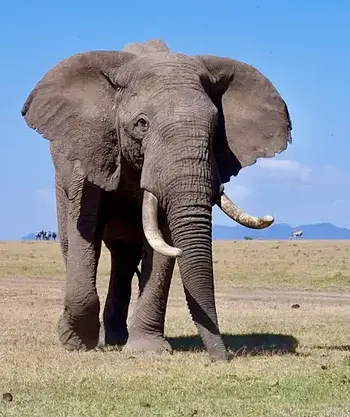
Savannas and grasslands support some of the planet’s most iconic large herbivores, which play a critical role in shaping ecosystems and the human communities that depend on them. By studying one of the most diverse remaining assemblages of megaherbivores in the world, students will explore how these animals influence community ecology and biodiversity, biogeochemical processes, and ecosystem productivity. These ecological processes are essential to understanding how savannas function and how they can be managed sustainably.
Grasslands and savannas worldwide face growing threats from defaunation (the loss of animal populations), changes in biogeochemical processes, and fire suppression. Studying ecosystems that retain diverse herbivore communities offers valuable insight into the ecological roles of large herbivores and the consequences of their loss. Kenya’s savannas provide a unique setting to investigate these relationships firsthand.
The program’s remote location immerses students in one of Kenya’s most diverse wildlife habitats and offers the opportunity to engage with an active research community. Students will take advantage of established research infrastructure, including on-site housing, laboratories, and access to some of Africa’s longest-running ecological research projects. Through hands-on fieldwork and laboratory experiences, students will practice the methods scientists use to investigate savanna ecosystems, gaining a deeper understanding of how these systems function and the opportunities and challenges involved in applying scientific findings to their conservation and management.
The program is an immersive, field-based class based at Mpala Research Centre (MRC) in Laikipia, Kenya. Students will be provided with full room/board accommodations. Alongside daily fieldwork within globally recognized long-term research projects, students will enjoy daily game drives, a visit to a wildlife conservancy, and experience immersion in Kenyan cultural activities. MRC is truly unique as it affords students the chance to meet researchers and students from all over the world while living in one of the most diverse ecological communities in Kenya.