Climate Action Planning
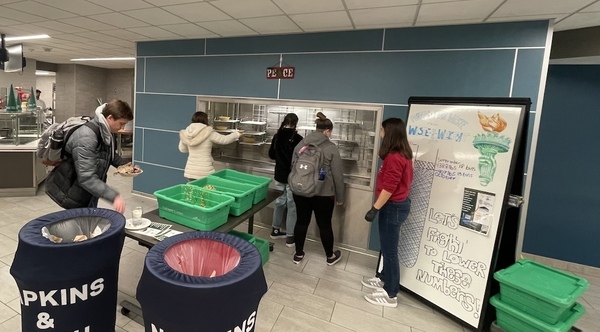
In 2023, Notre Dame Sustainability began work to refresh the University’s existing Comprehensive Sustainability Strategy, published in 2016. The updated strategy will integrate proven solutions, innovative strategies, and actionable goals across University operations. Rooted in Catholic social tradition, we aim to address responses to climate change and promote environmental stewardship. Together, we care for our common home.
Our climate action planning process is built on collaboration and engagement, leveraging the expertise of staff, students, and faculty to inform recommendations and goal formation. The process is intended to be both proactive and iterative while continuing to be informed by the latest scientific guidance. By thinking creatively about aspirational goals, Notre Dame not only addresses immediate challenges but also builds a resilient framework for future action.
Fall 2025 - Spring 2026 Update
Our collaborative work continues with our food and dining team members and we are currently implementing operational improvements. Meanwhile, we have started work on our second topic: Reducing Landfill Waste. Engagement has begun with campus constituents, and we are identifying key categories of work.
Summer 2025 Update
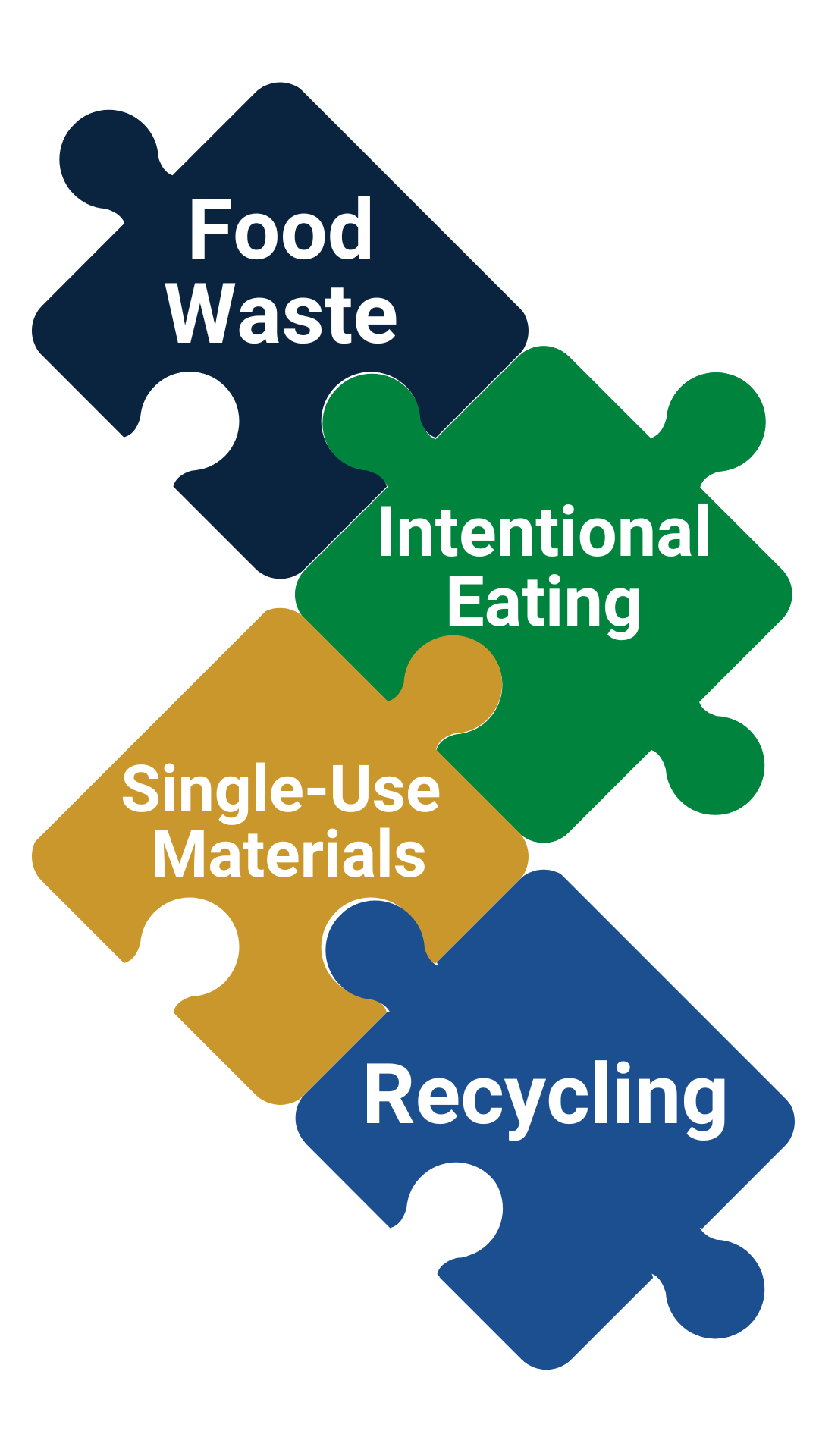
While Notre Dame has made considerable progress in the food and dining spaces, we know we still have much work to do. The team has identified four high-level areas around which the Food & Dining Climate Action Planning will be centered.
Increasing Food Waste Diversion
In the United States, nearly 40% of food ends up in the landfill. Some food waste is inevitable, and Notre Dame is actively diverting it from the landfill in alignment with the EPA’s food waste scale. Through programs like Leanpath, partnerships with local farms and Cultivate Food Rescue, and innovative solutions such as the Grind2Energy systems, the University is reducing the amount of food waste that would otherwise be sent to the landfill. To learn more about these programs, visit our food page. Currently, Notre Dame is exploring opportunities to expand upon the University’s food waste programs for even greater diversion.
Intentional Eating
Intentional eating is a cornerstone of sustainable food systems, and we believe that it begins long before food reaches the plate. Eating with intentionality starts with what ingredients are chosen, and how and where they are sourced. We make it a point to choose regional suppliers whenever we can; not just to cut down on transportation emissions, but to lift up the growers and businesses that help our local communities thrive. Visit the Sustainability-Minded Sourcing section of our food page to learn more. In our climate action planning process, we are working to continue to prominently feature suppliers that adhere to our values and work with our culinary teams to create incredible dishes that are flavorful, healthy, and fresh.
Single-Use Materials
Food service is often reliant on single-use materials for carrying out day-to-day operations—many of which can have significant environmental and public health impacts. Notre Dame recognizes the opportunity to reduce the use of single-use materials in food and dining spaces, and is actively working to identify where we can lessen our reliance and opt for products with lower impacts.
Recycling
Recycling infrastructure continues to expand across campus. To learn more about the recycling programs currently in place on campus, visit our waste diversion page. Behind the scenes of our many dining and hospitality spaces, we are working to increase the diversion rates for recyclable waste and prevent quality materials from being sent to the landfill. In our climate action planning process, we are actively identifying additional opportunities for capturing recyclable materials to keep them in the circular economy.
Opportunities for Engagement
As a part of our engagement process, we are having targeted conversations with specific groups, such as Sustainability Commissioners and student government leaders, but also offering open feedback sessions. In the fall 2024 semester, we held three engagement sessions for students, faculty, and staff. Stay tuned to our events page for future engagement opportunities.
